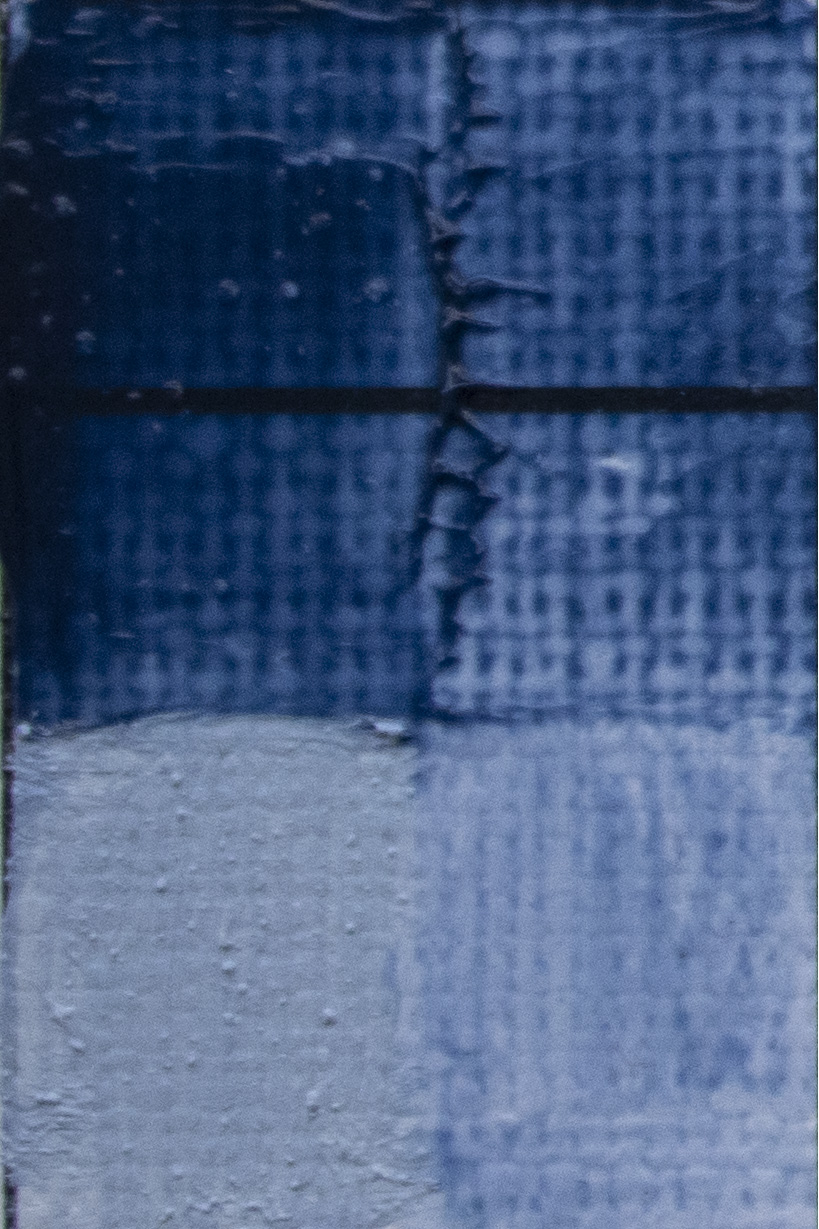
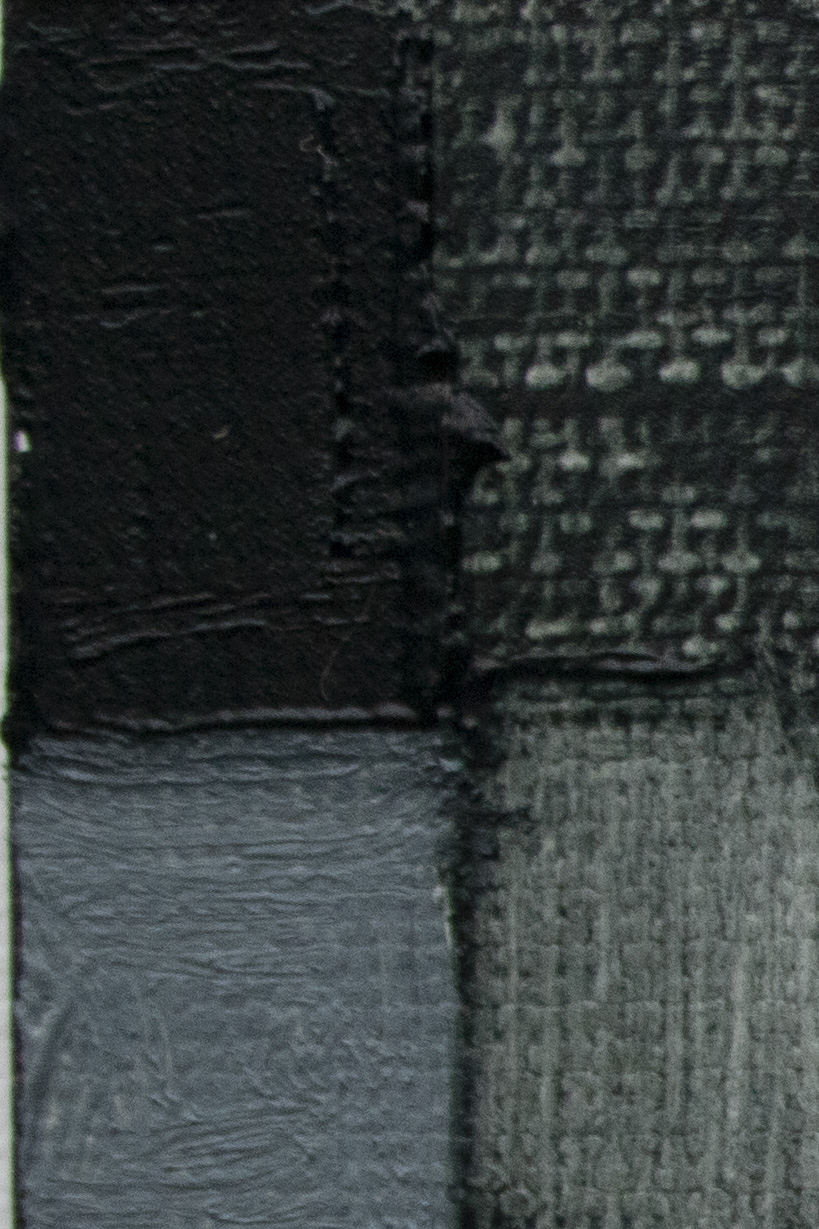
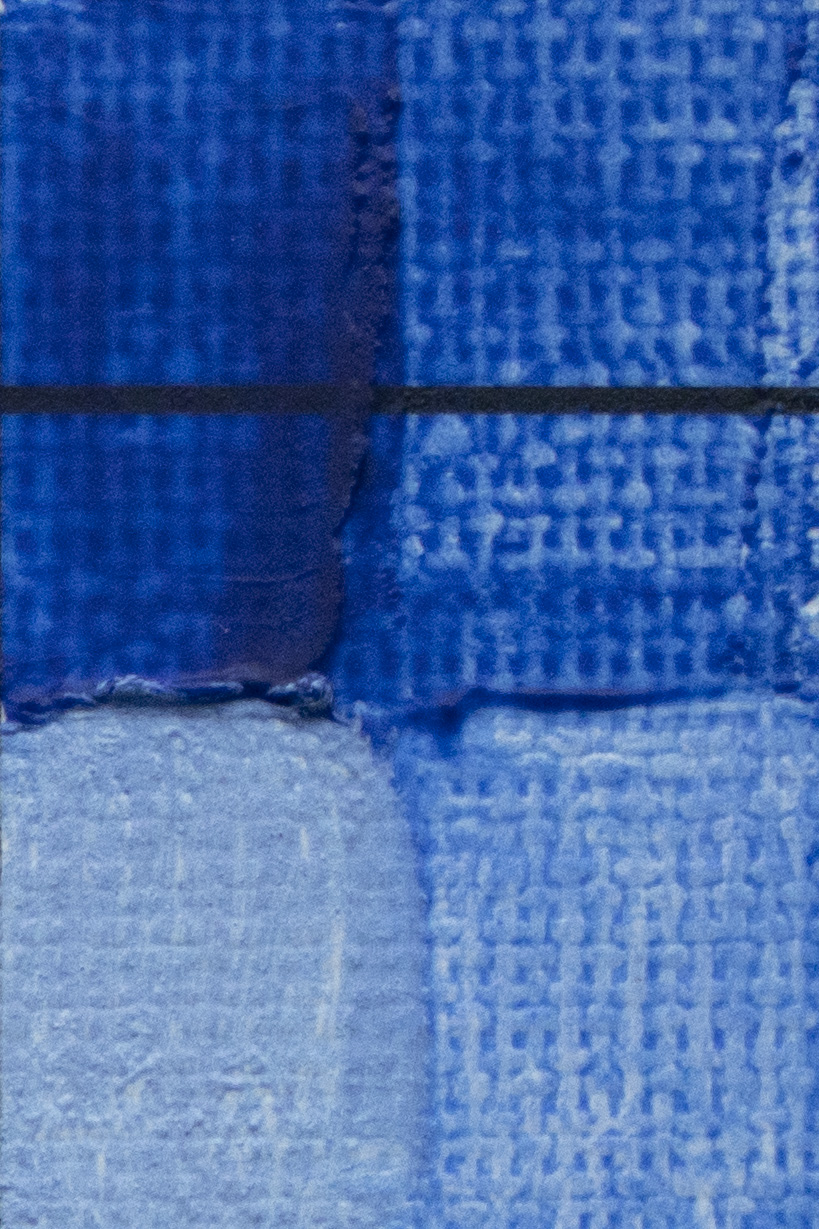
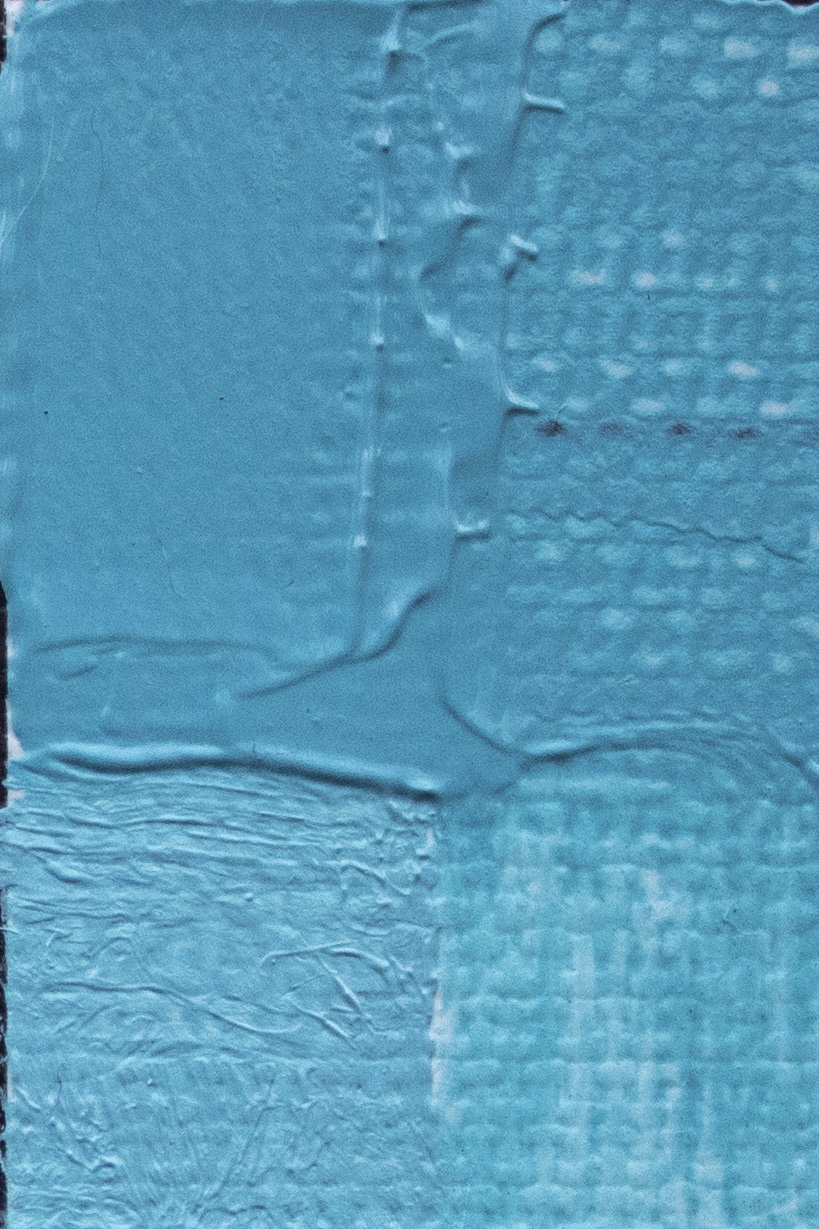
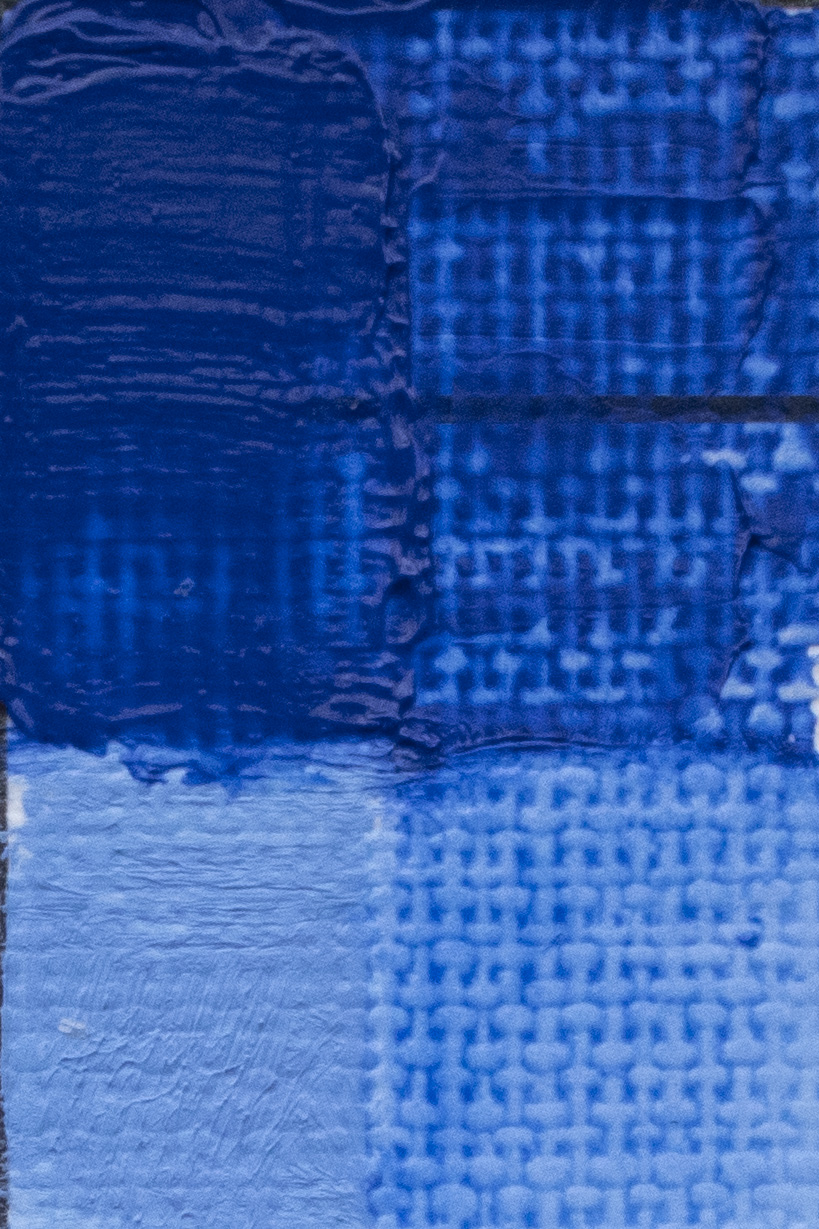
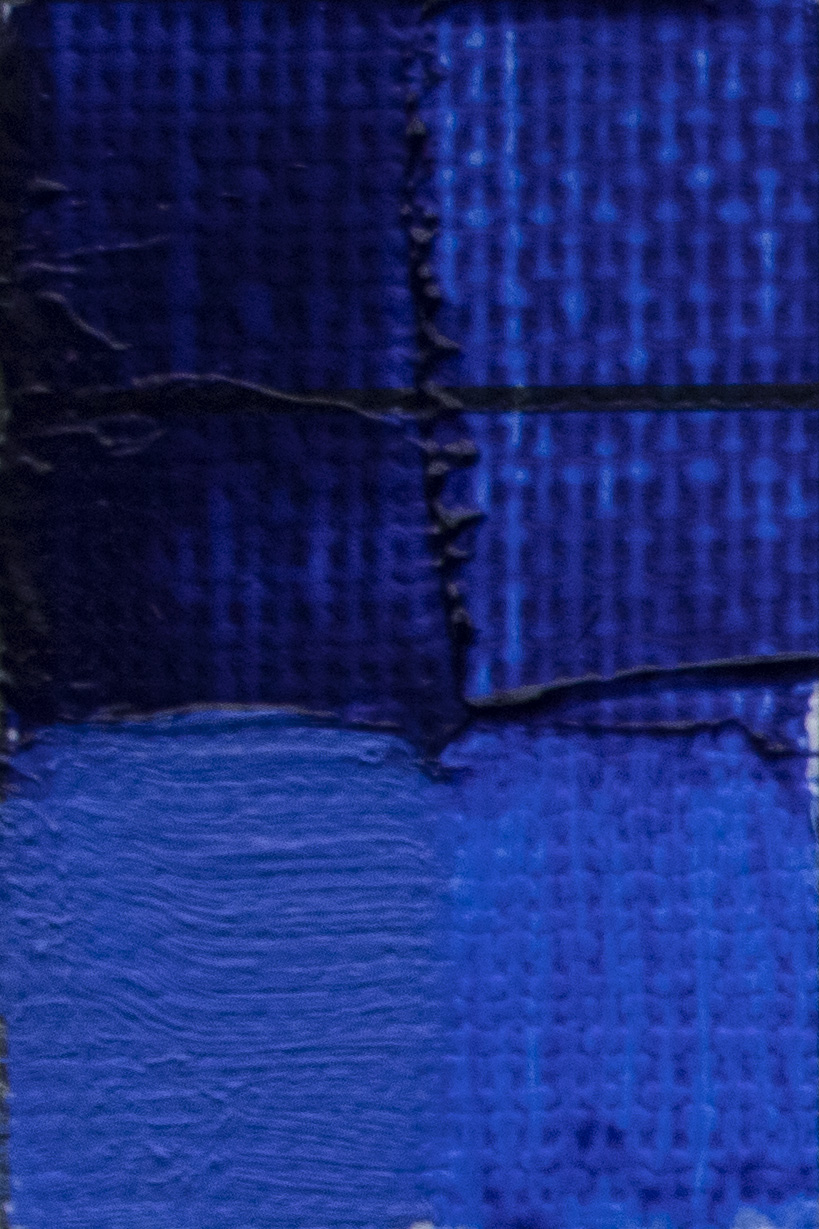
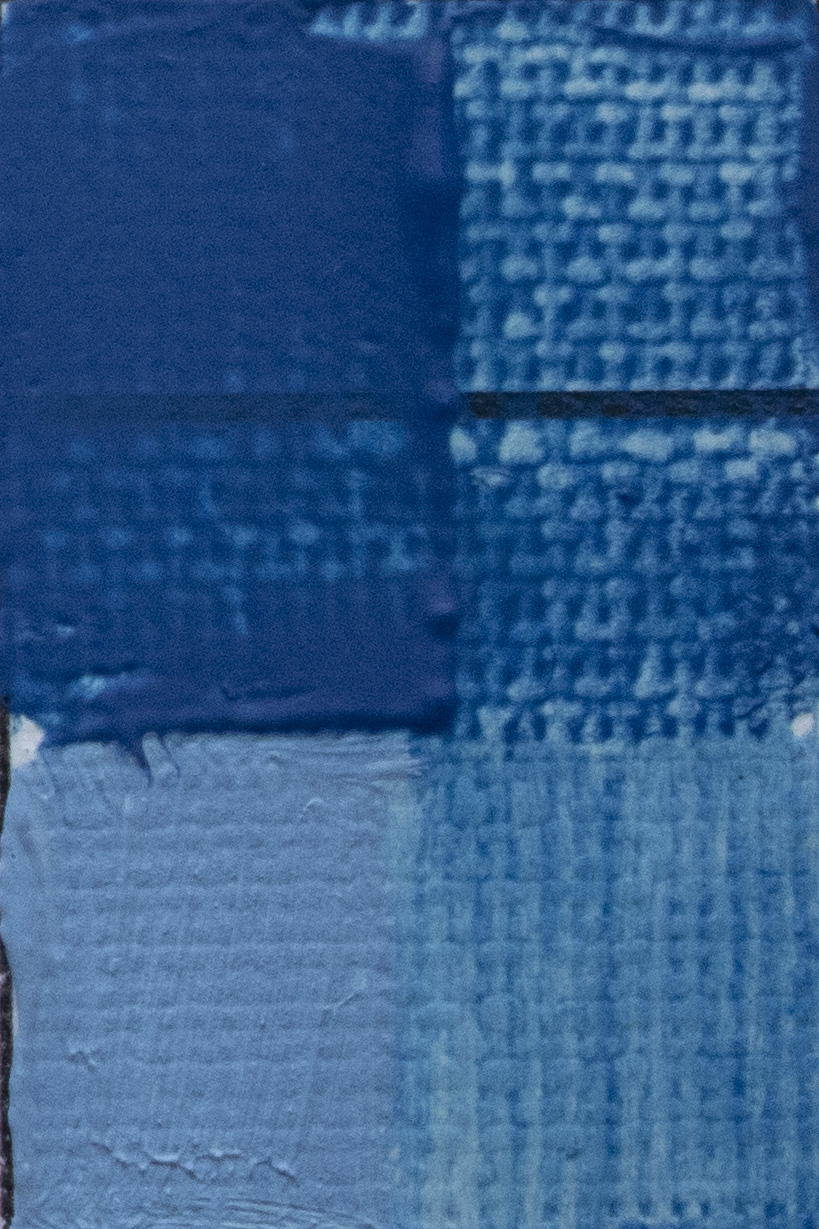
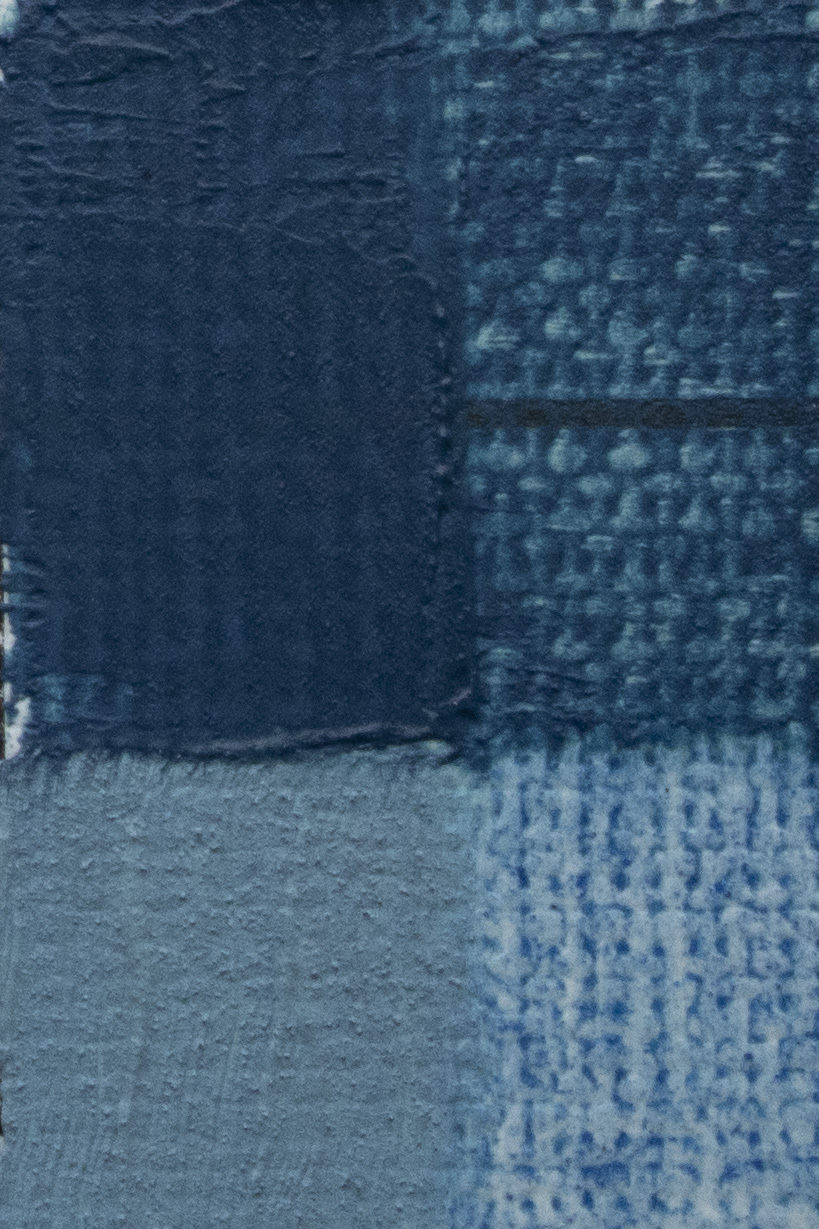
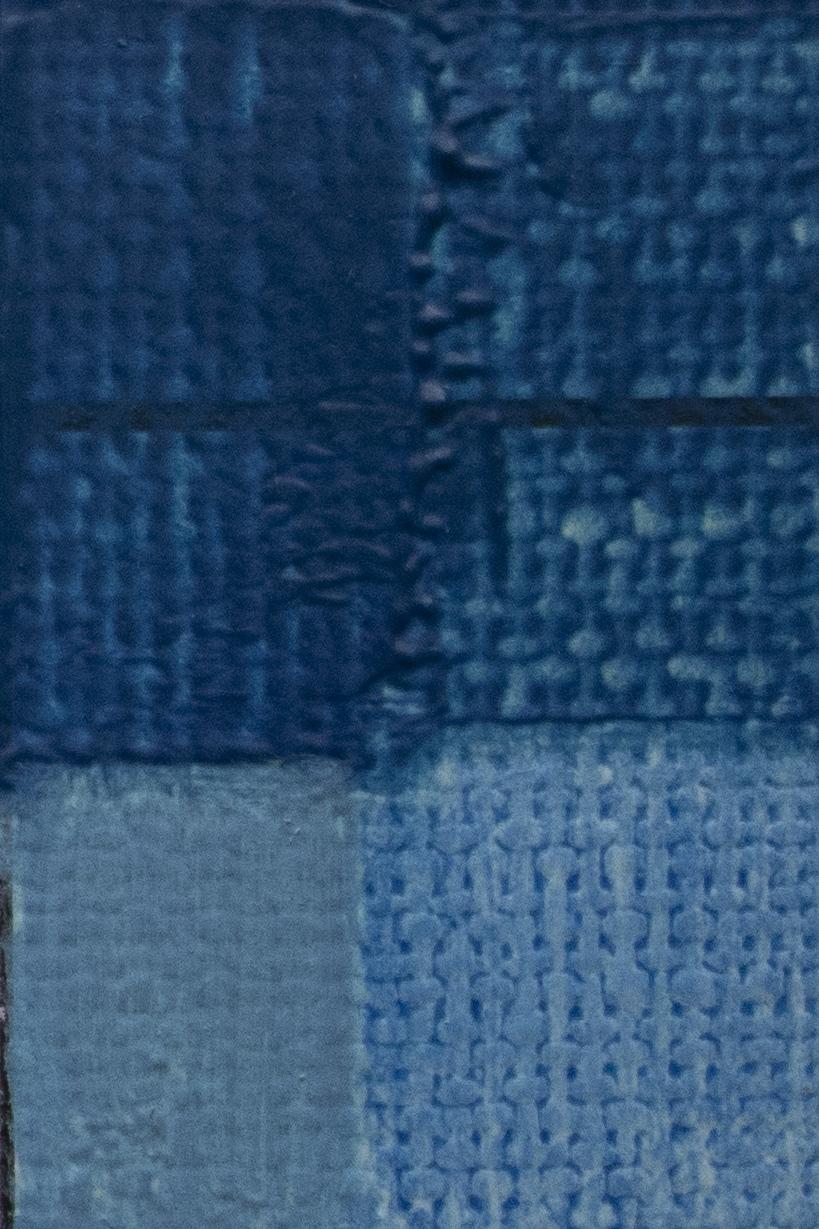
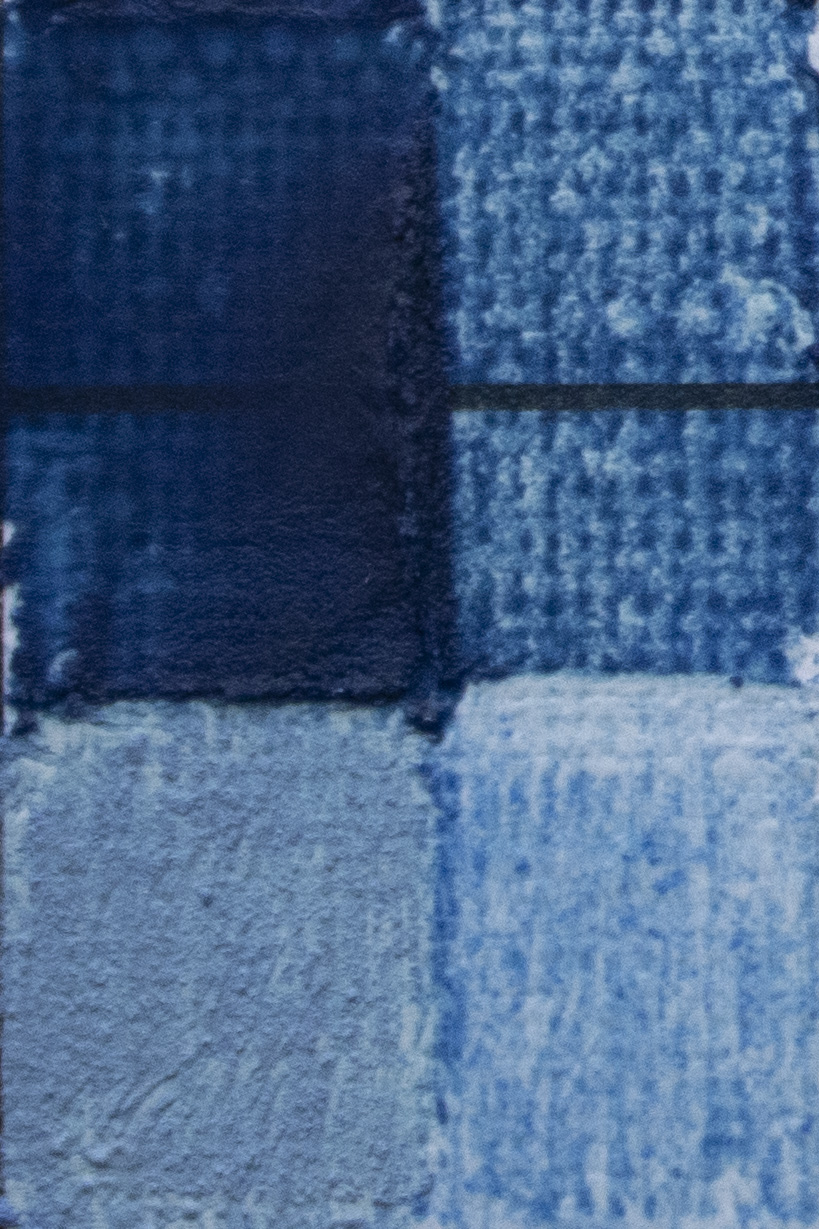
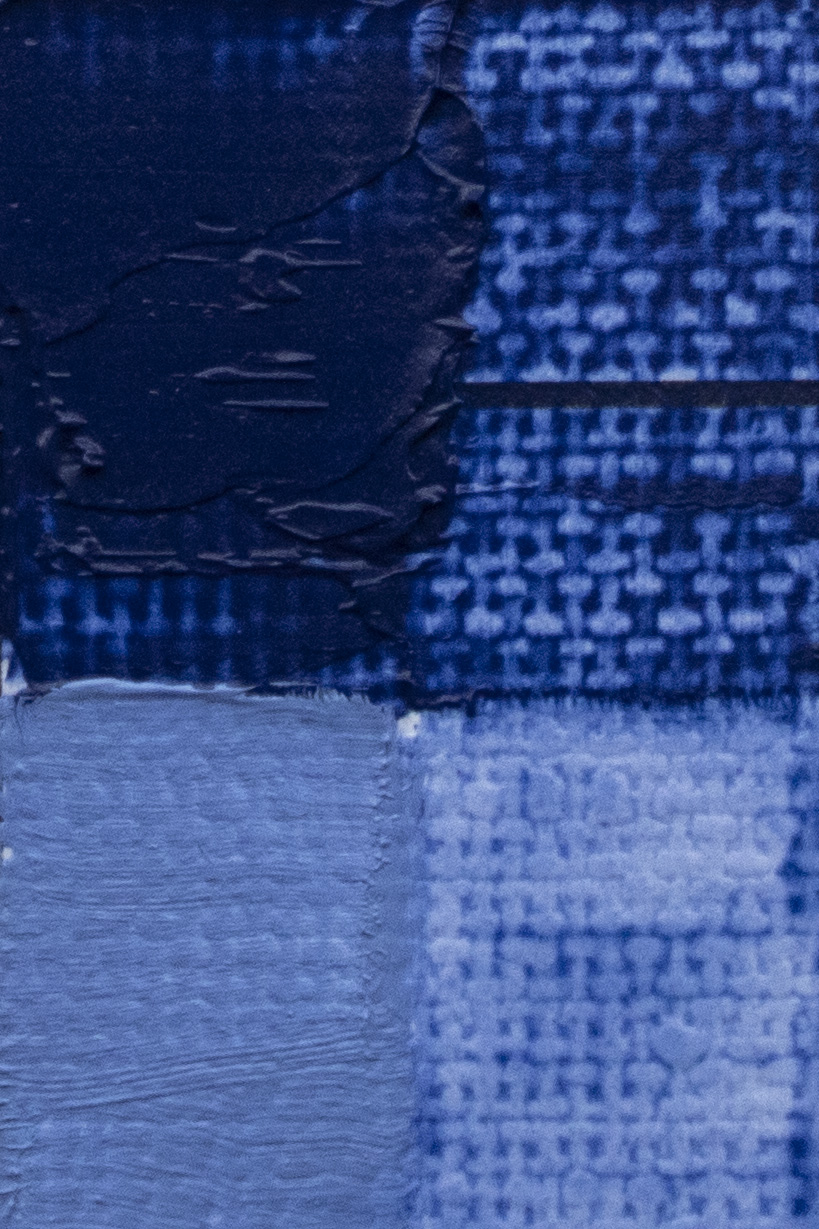
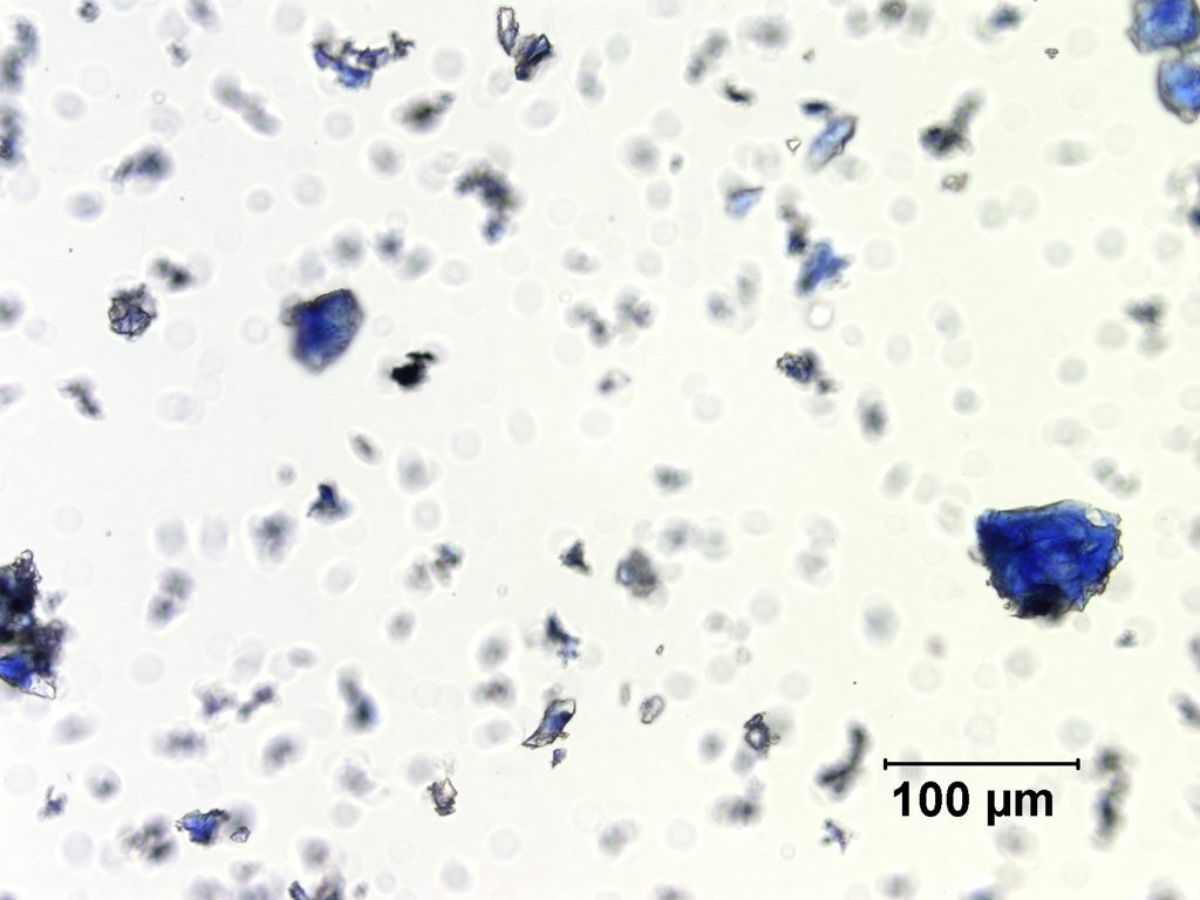
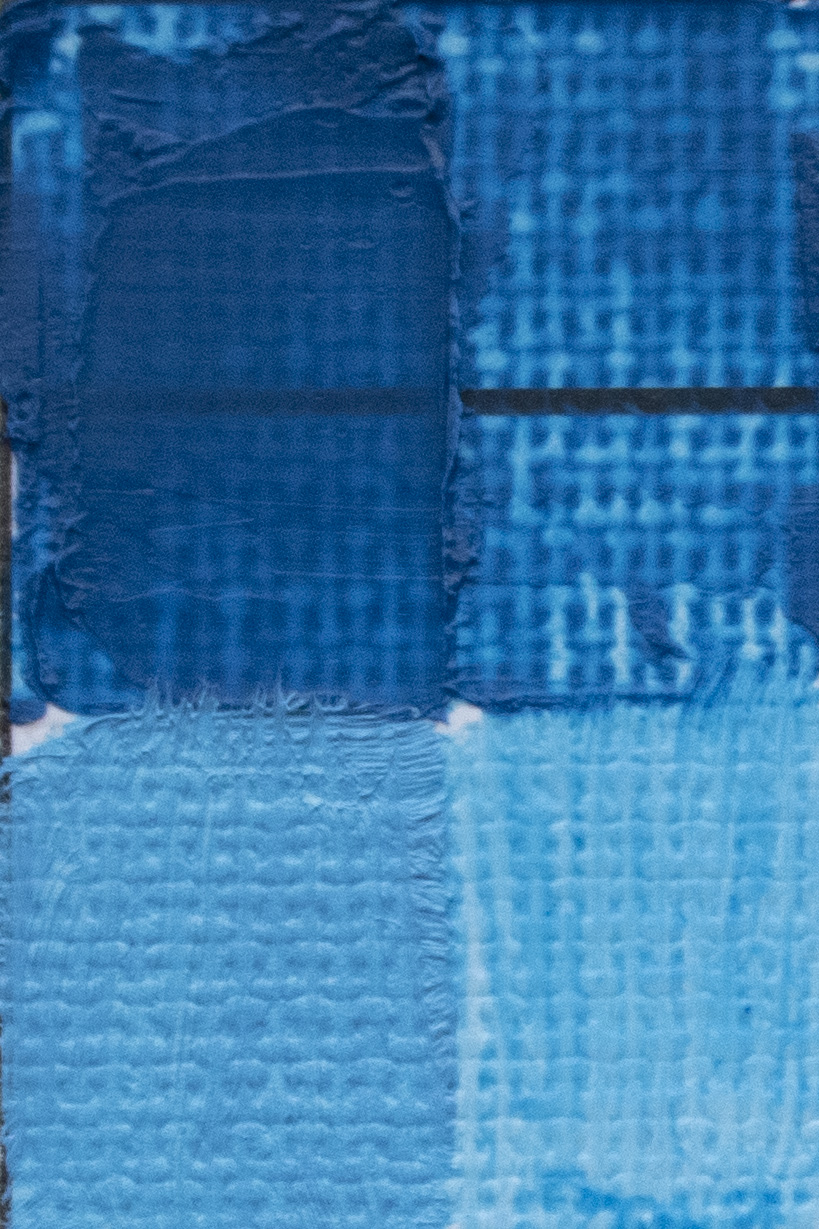
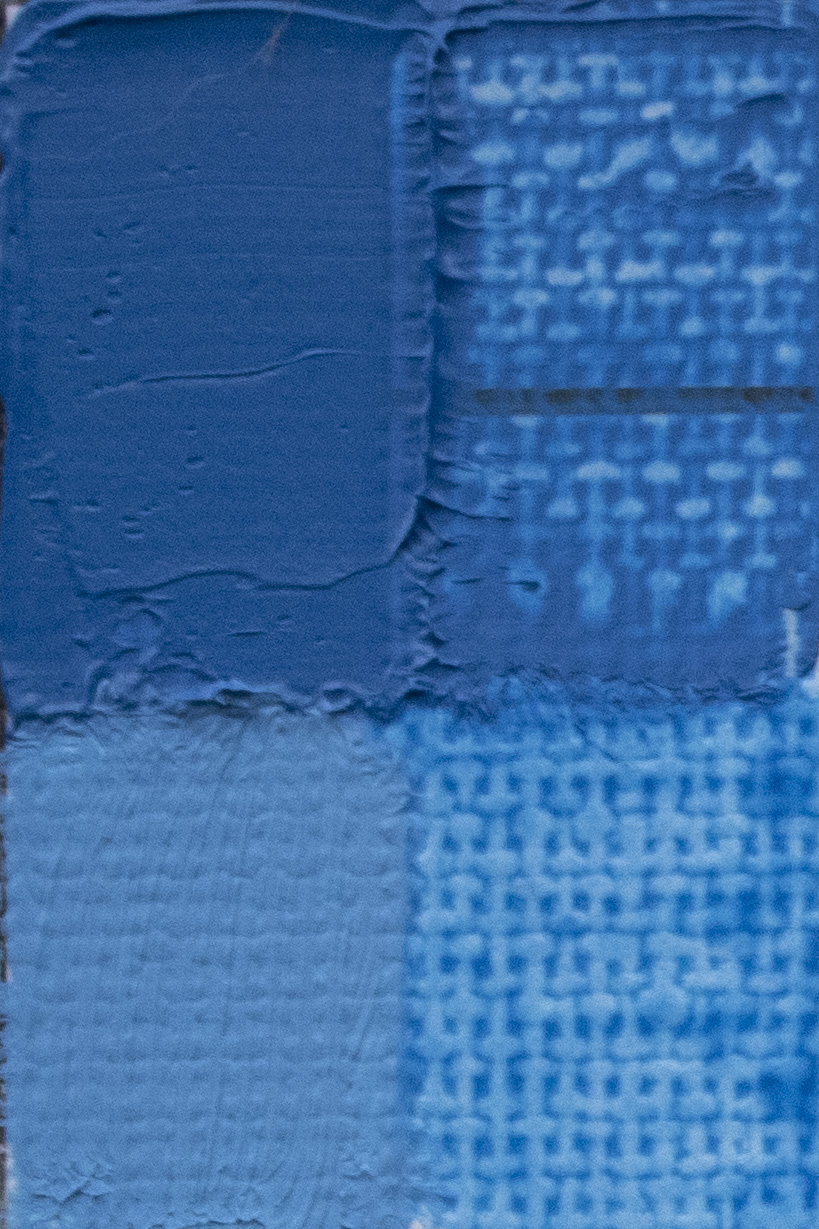
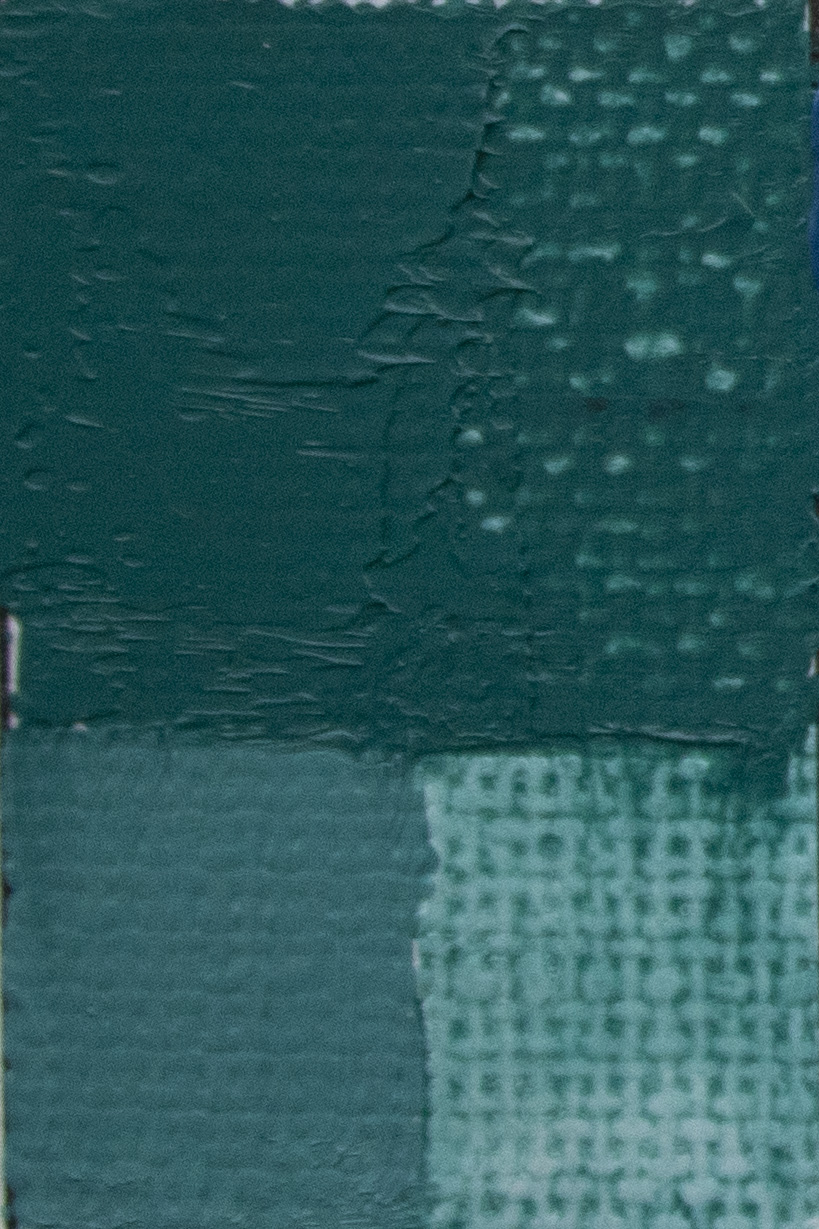
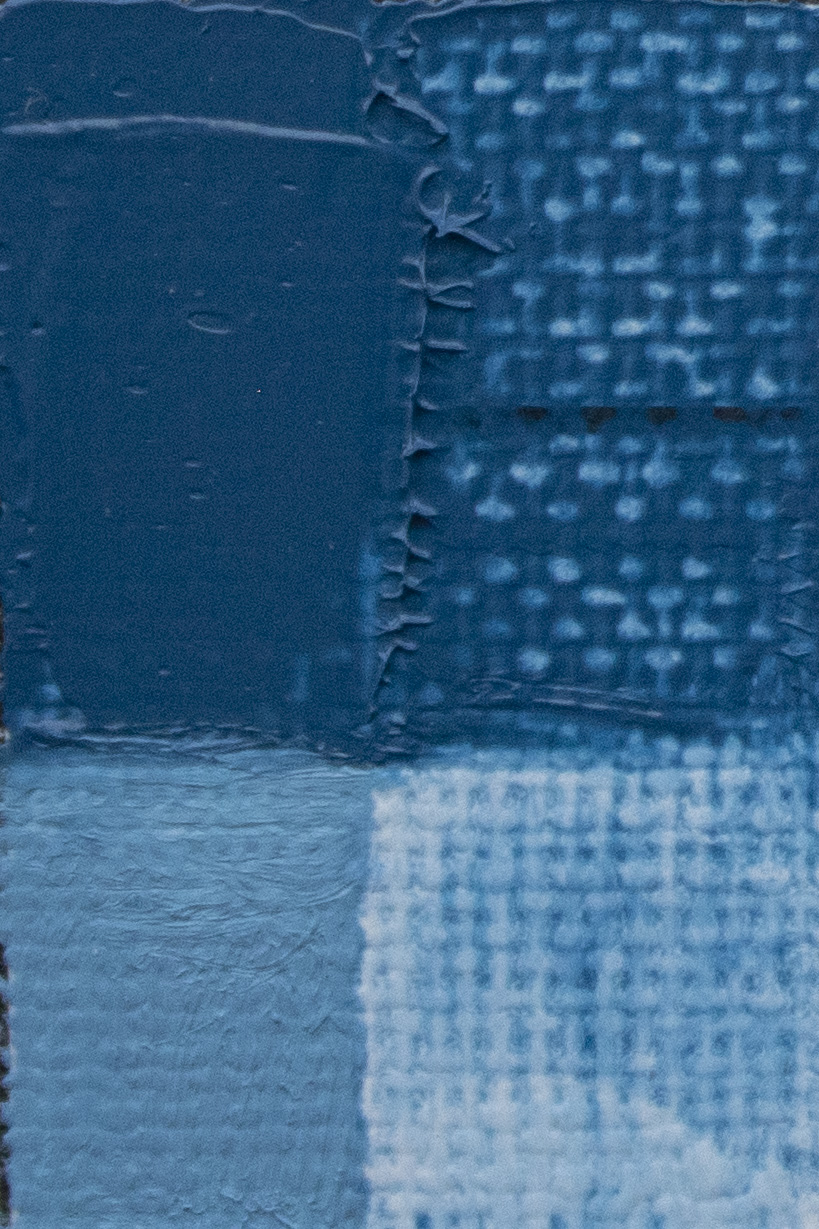
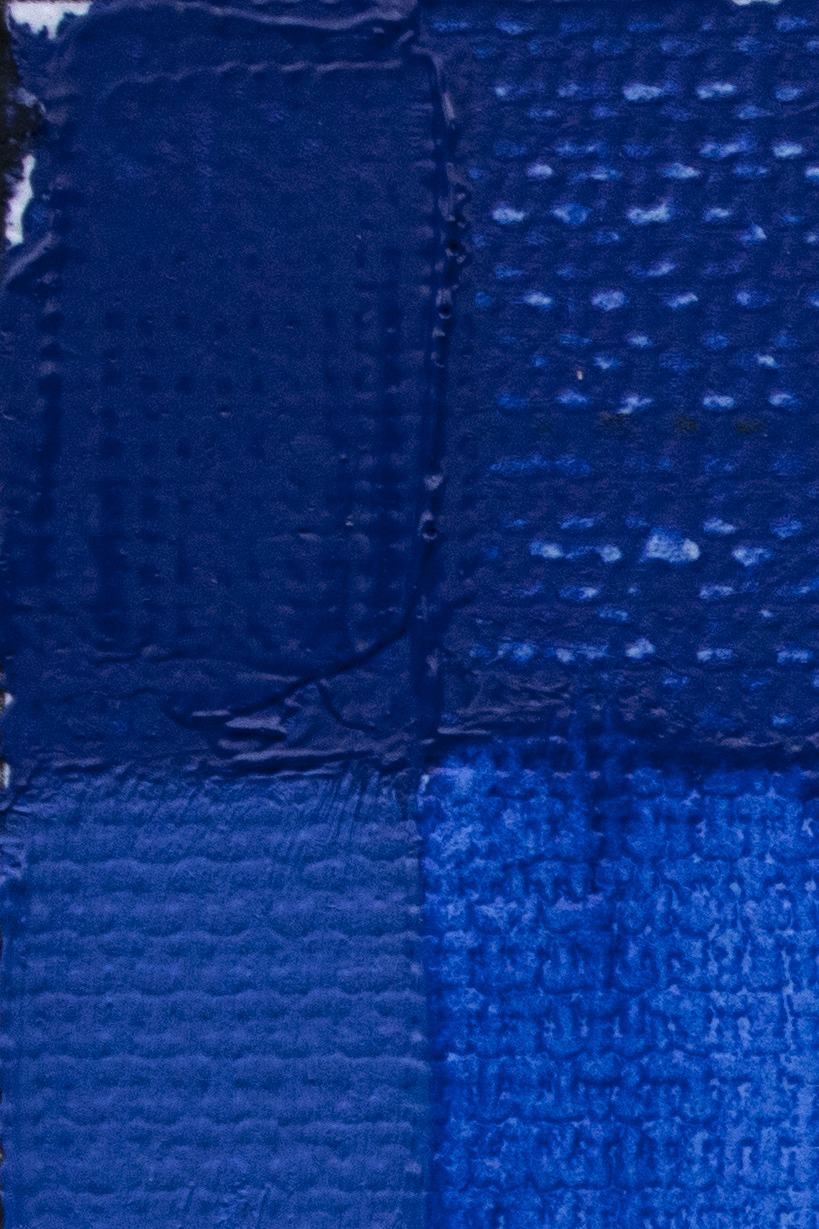
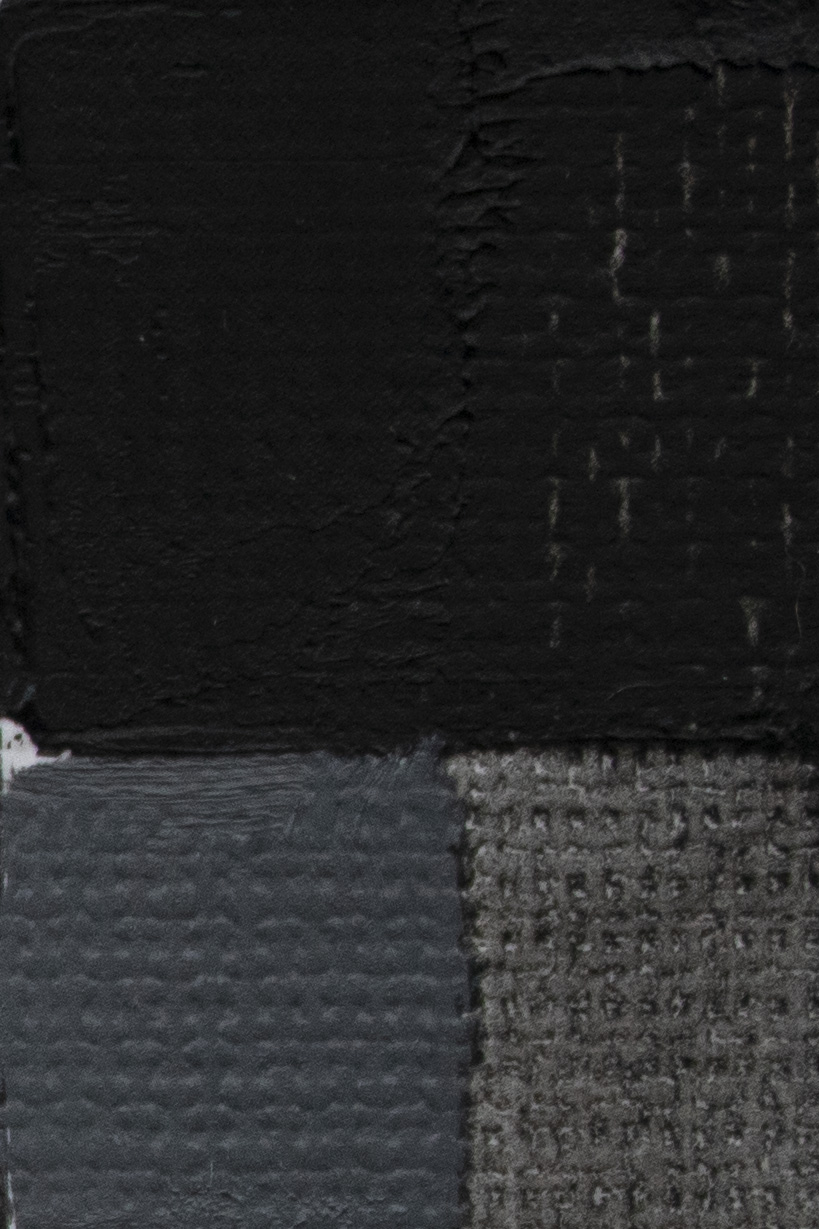
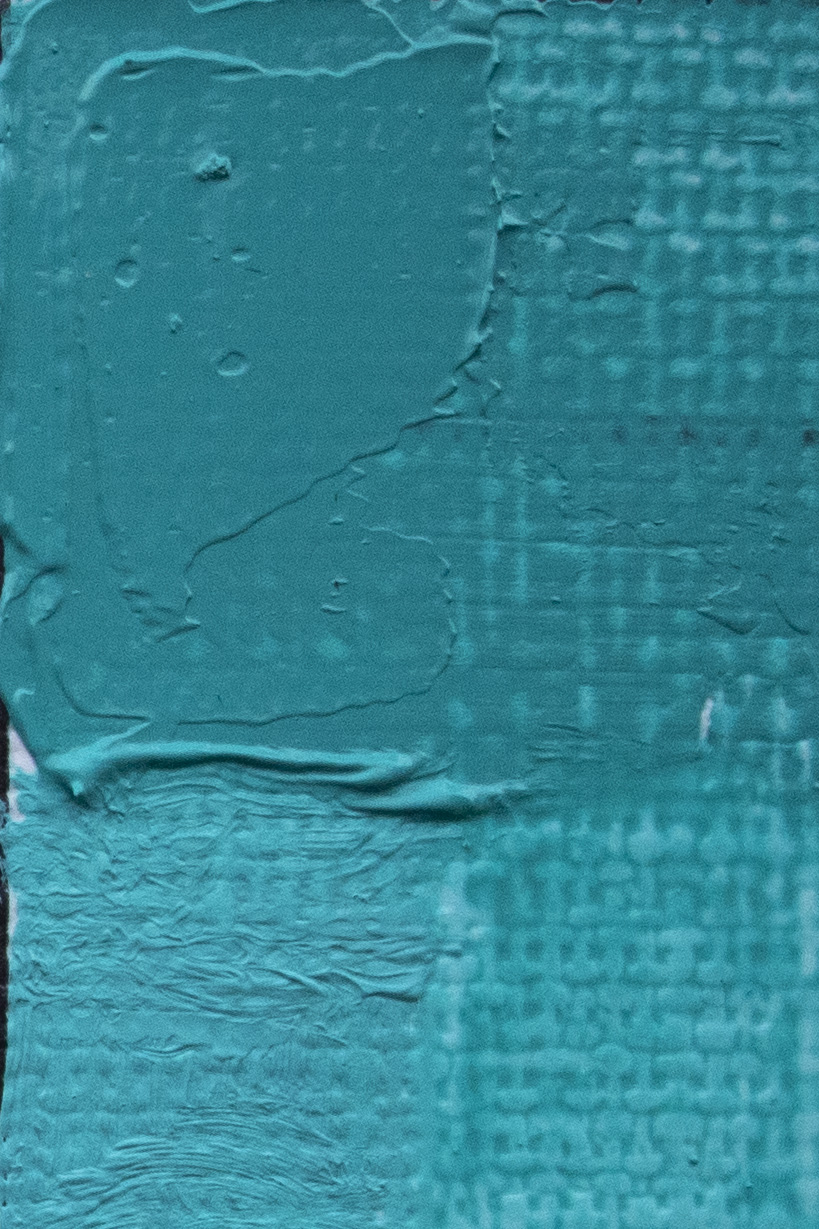
Composition
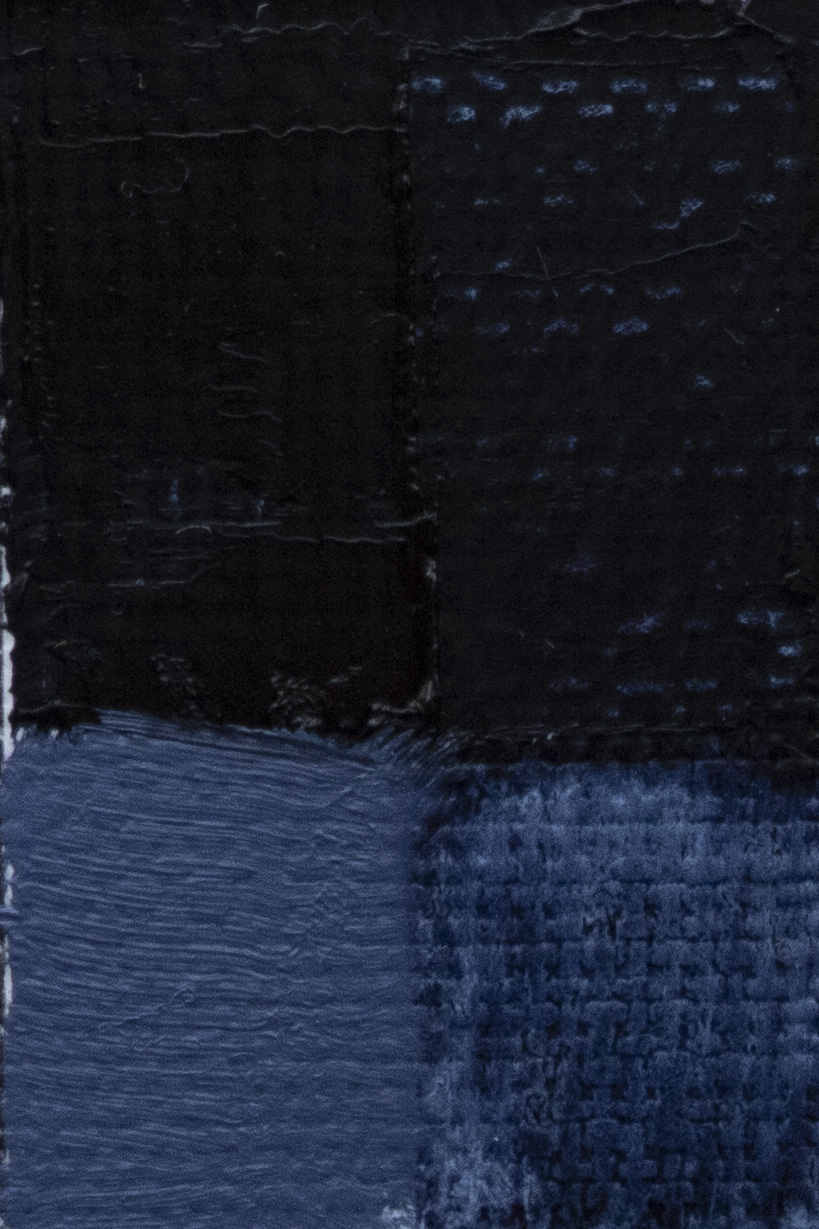
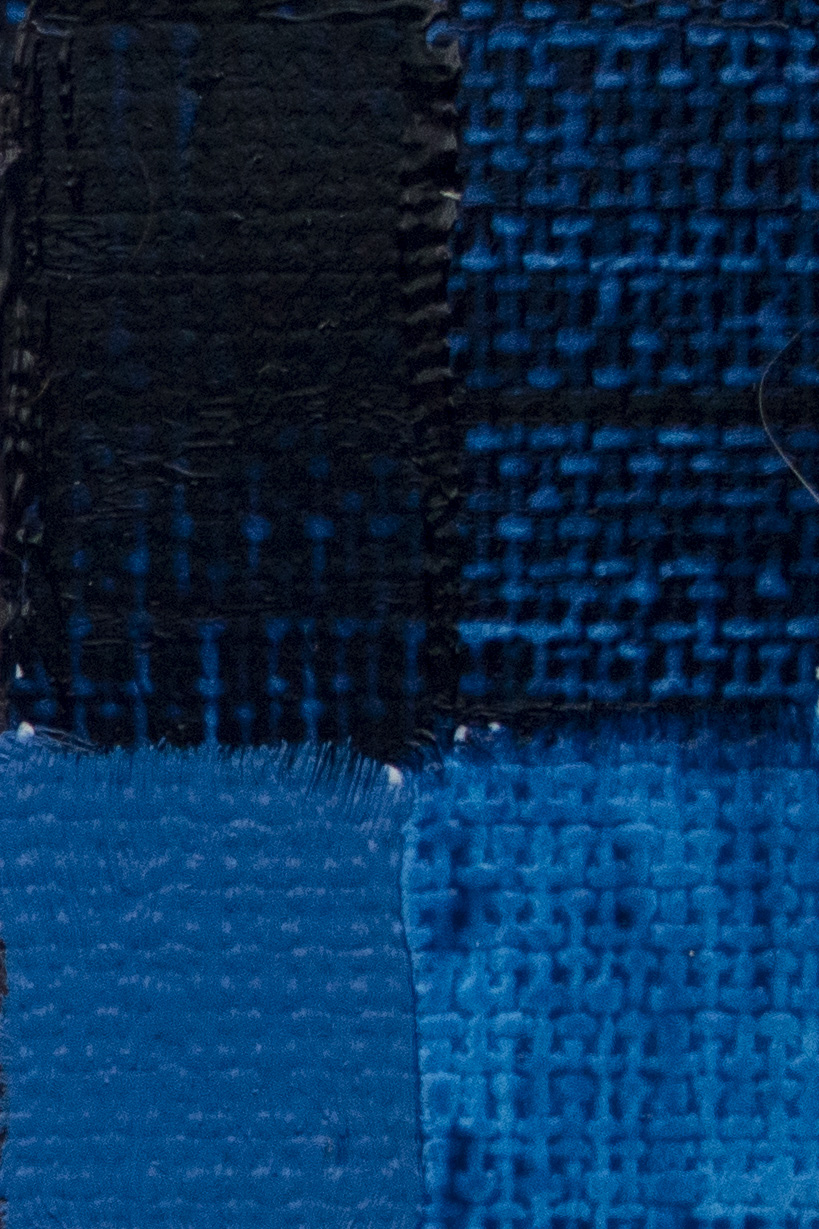
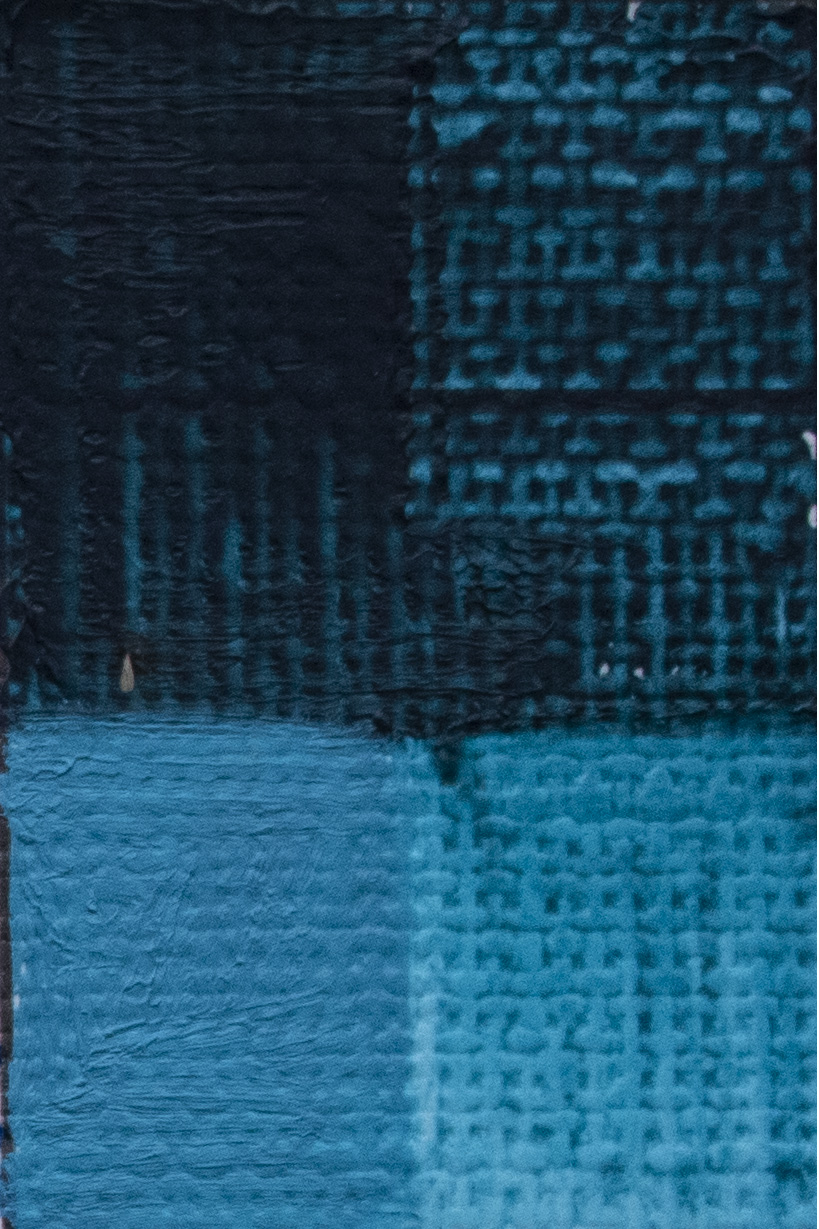
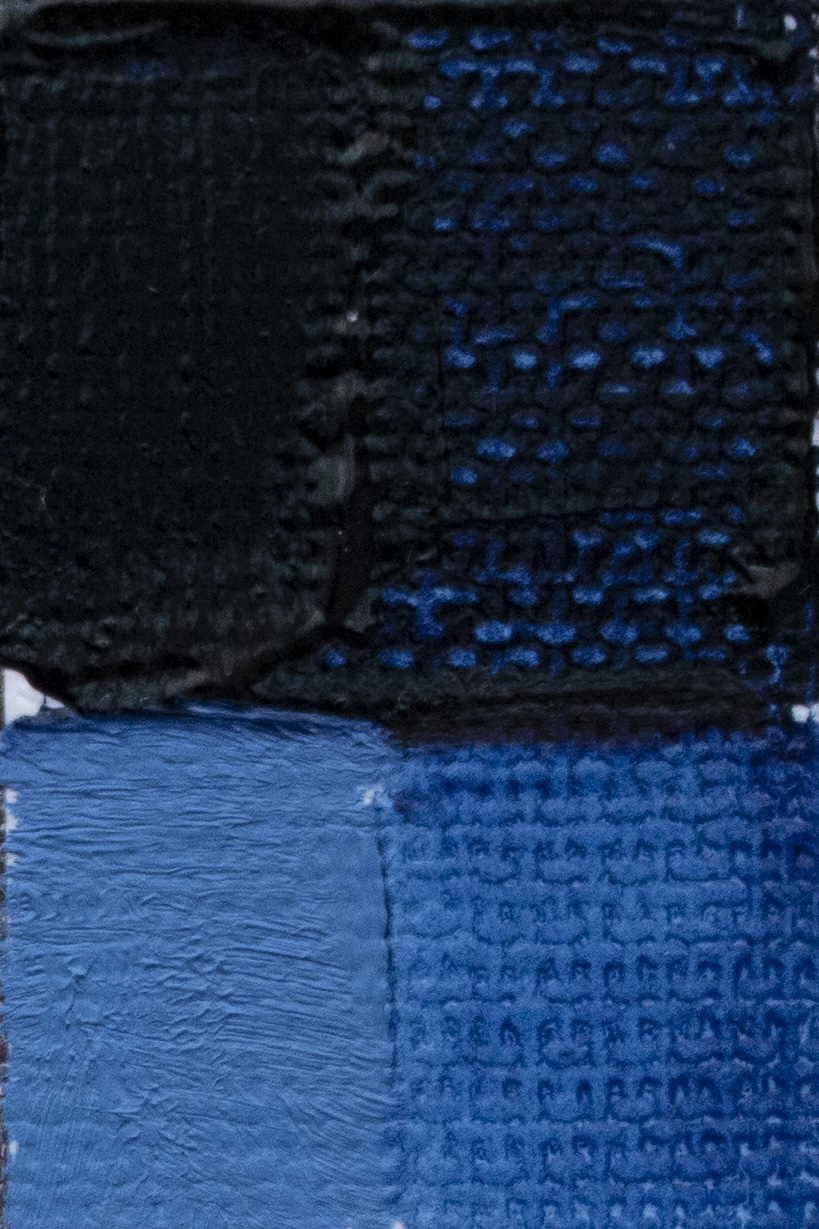
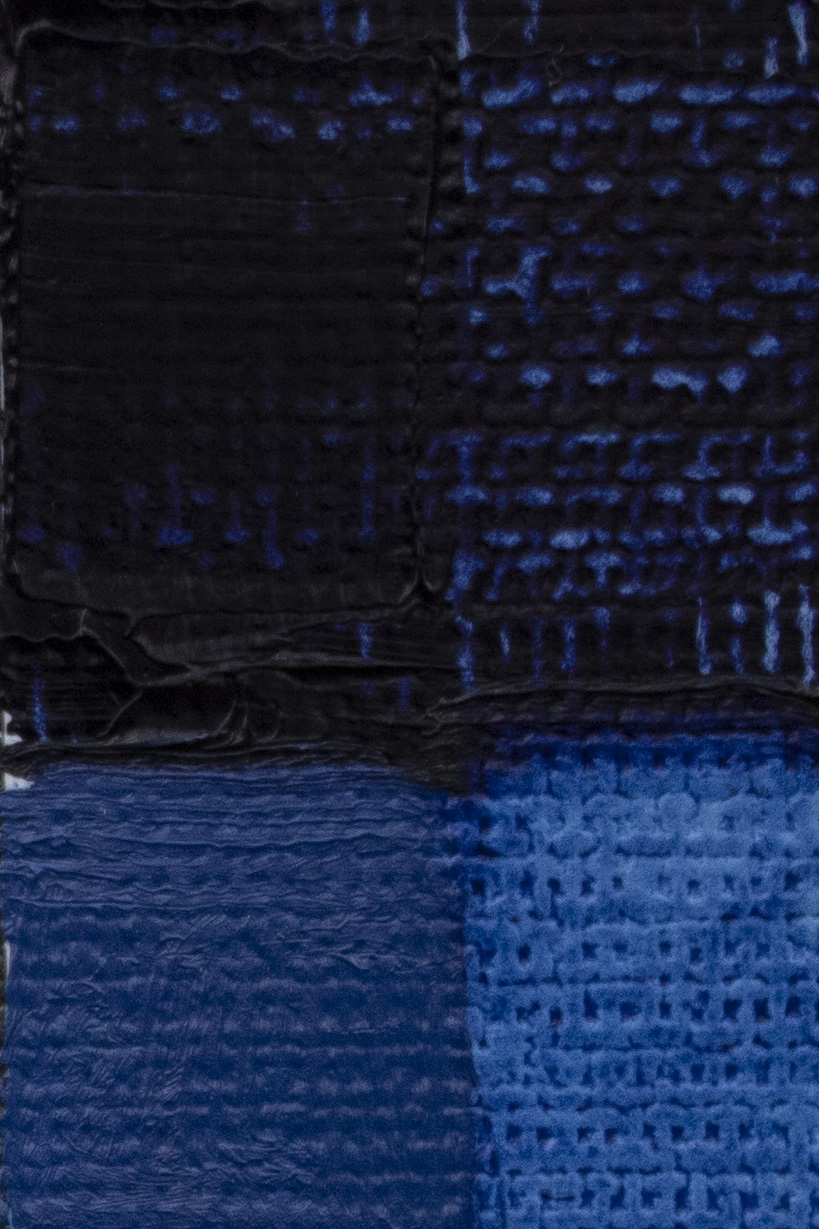
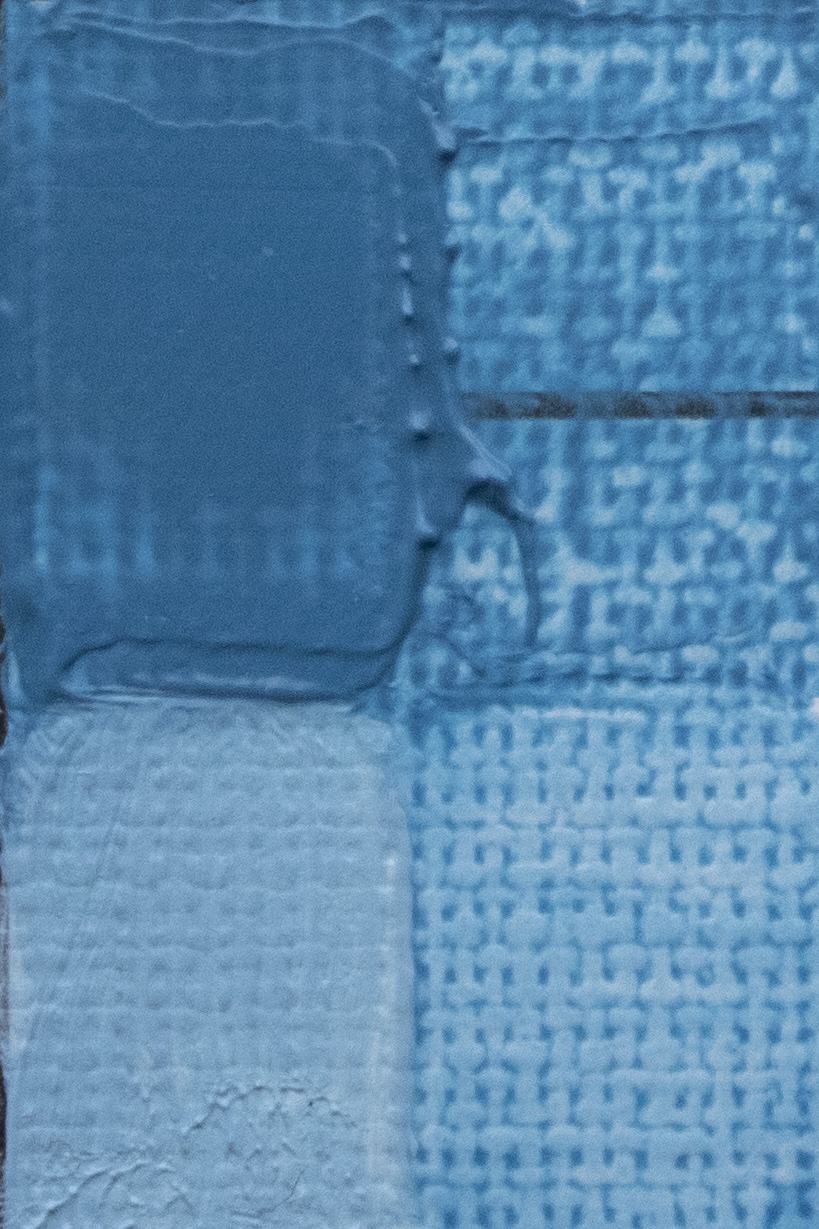
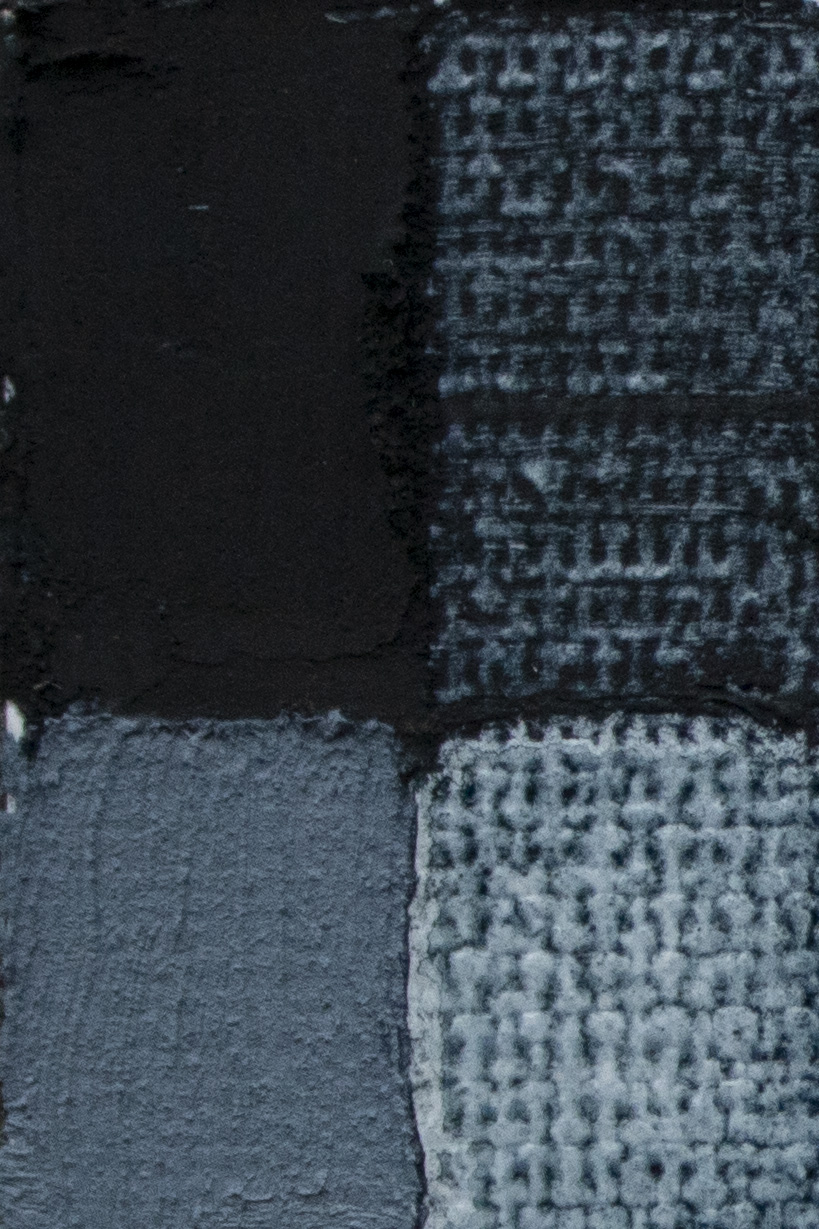
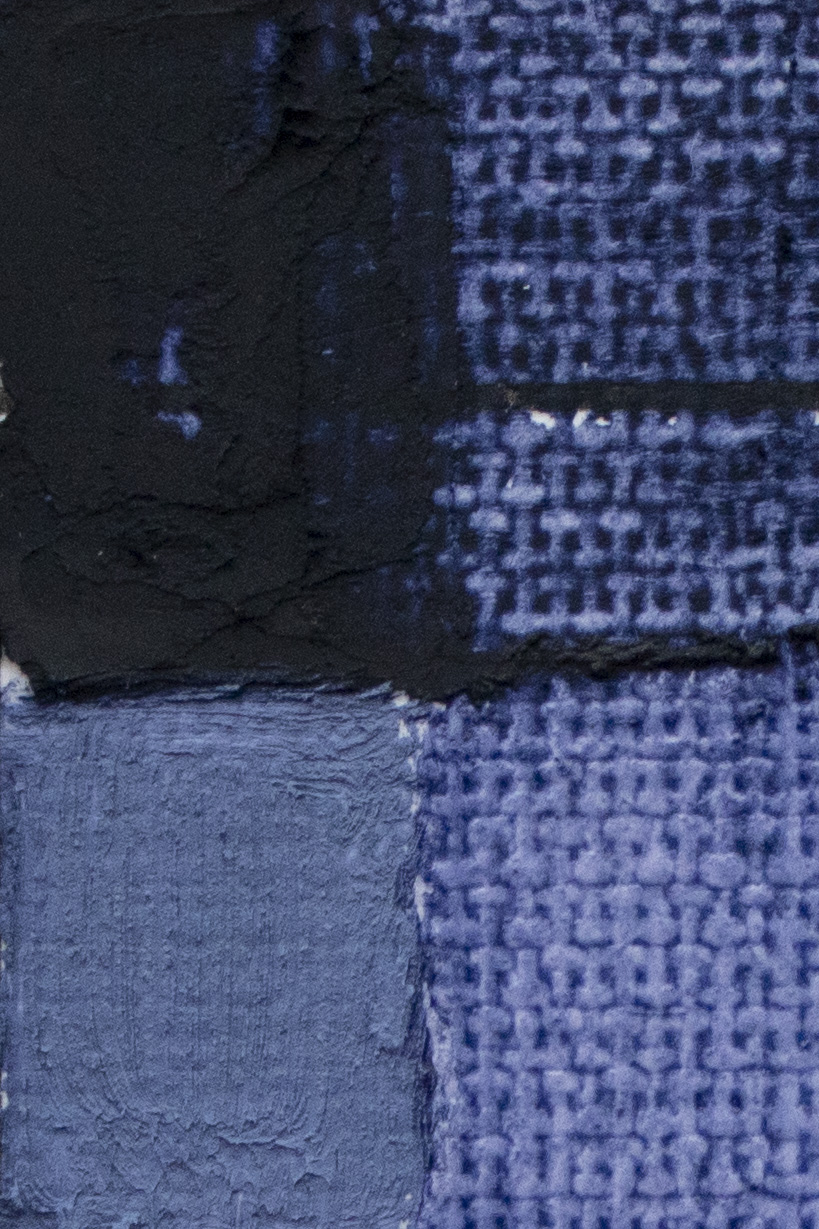
| mass tone knife applied | undertone scraped |
| 50% white | 50% medium |
natural complex sodium silicate containing sulfur and aluminum
Hydrated Iron Phosphate
natural complex sodium silicate containing sulfur and aluminum
Fra Angelico Blue is the name given to the finest lapis lazuli. Named after Dominican frian and painter, Fra Angelico.
Natural mineral turquoise; hydrous phosphate of copper and aluminium
Fermented extract from the leaves of Indigofera tinctoria
copper phthalocyanine
Beta copper phthalocyanine
Ferric Ammonium Ferrocyanide
cobalt (II)-aluminate
Complex sodium silicate containing sulfur and aluminum
basic copper (II)-carbonate
natural basic copper (II)-carbonate
natural basic copper (II)-carbonate
Azurite is a natural blue basic copper carbonate, Cu3(CO3)2(OH)2. The color of the small particles depends very much on their size and their surface structure.The special Japanese elutriation treatment ensures a more exact and equal grain size than just by sieving, this make the colors more brilliant. https://www.kremer-pigmente.com/en/shop/pigments/1673110-azurite-gunjyou-no-10.html
copper calcium silicate
ground potassium glass containing cobalt oxide
barium manganate sulfate
cobalt-(II)-stannate
Cobalt Chromite Blue Green Spinel Co(Al,Cr)2O4
Cobalt Chromite Blue Green Spinel Co(Al,Cr)2O4
anthraquinone
Zirconium Vanadium Blue Zircon (Zr,V)SiO4
Used more often as a Mason stain in ceramics than as an artist's pigment.
Indigo containing magnesium aluminum layered silicate
Indigo containing magnesium aluminum layered silicate
mixed metal oxide Y In Mn
Mas Subramanian’s lab has created other colors using YInMn chemistry, including purple, yellow, orange and green. They created yellow and orange by replacing iron for manganese we have made; green by switching copper for manganese; and purple by swapping indium with titanium and zinc. Credit: Oregon State University https://www.sciencefriday.com/segments/a-hue-of-a-different-color/
once was made from charred ivory tusks, but now charred animal bones
Cobalt Titanate Green Spinel (Co)2TiO4